
"Fighting Fire with Nature: How Healthy Landscapes Reduce Wildfire Risk" made headlines this week. It is a reminder that fire safety is not only about alarms and drills. In UK workplaces, the law expects more than posters and a yearly test. The Regulatory Reform (Fire Safety) Order 2005 and the Fire Safety Act 2021 define what the "responsible person" must do. Those duties are specific, measurable, and enforceable. Digital signage can help with some of them. It cannot help with all of them. This article sets out the duties, the tools that meet them, and the limits of screens in fire evacuation and mass notification.
What the law actually says
The Regulatory Reform (Fire Safety) Order 2005 applies to nearly every workplace in England and Wales. Scotland has its own Fire Safety (Scotland) Regulations 2006. Northern Ireland follows the Fire Safety Regulations (Northern Ireland) 2010. The Fire Safety Act 2021 clarified that the responsible person must also consider the structure and external walls of the building, including cladding.
The responsible person must:
- Carry out a suitable and sufficient fire risk assessment.
- Take general fire precautions to ensure, so far as is reasonably practicable, the safety of employees and relevant persons.
- Provide and maintain fire-fighting equipment, fire detectors, and alarms.
- Provide information, instruction, and training to employees about fire precautions.
- Establish and, where necessary, give effect to appropriate procedures, including safety drills, in the event of serious and imminent danger.
- Ensure routes to emergency exits and the exits themselves are kept clear at all times.
The law does not prescribe how to meet these duties. It leaves the responsible person to choose the tools that work in their building, with their staff, and their visitors.
Where digital signage helps
Real-time evacuation instructions
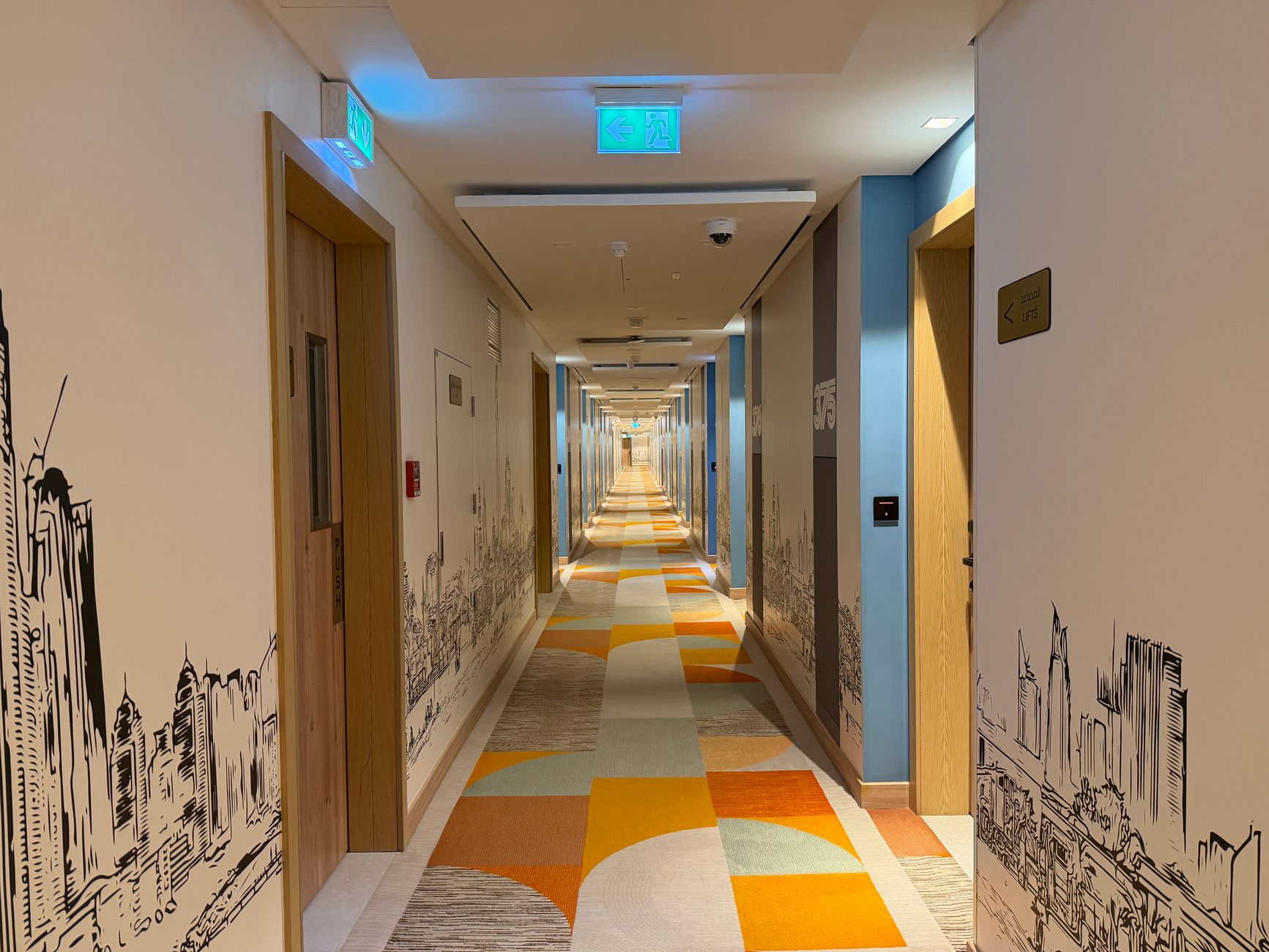
Fire alarms are loud. They are not precise. A siren cannot tell staff which exit to use if the usual route is blocked. Digital signage can show a floor plan with the safest route highlighted. It can update that plan if sensors or staff report a new hazard. The Fire Industry Association recommends dynamic signage for complex buildings where static signs may mislead.
Language and accessibility
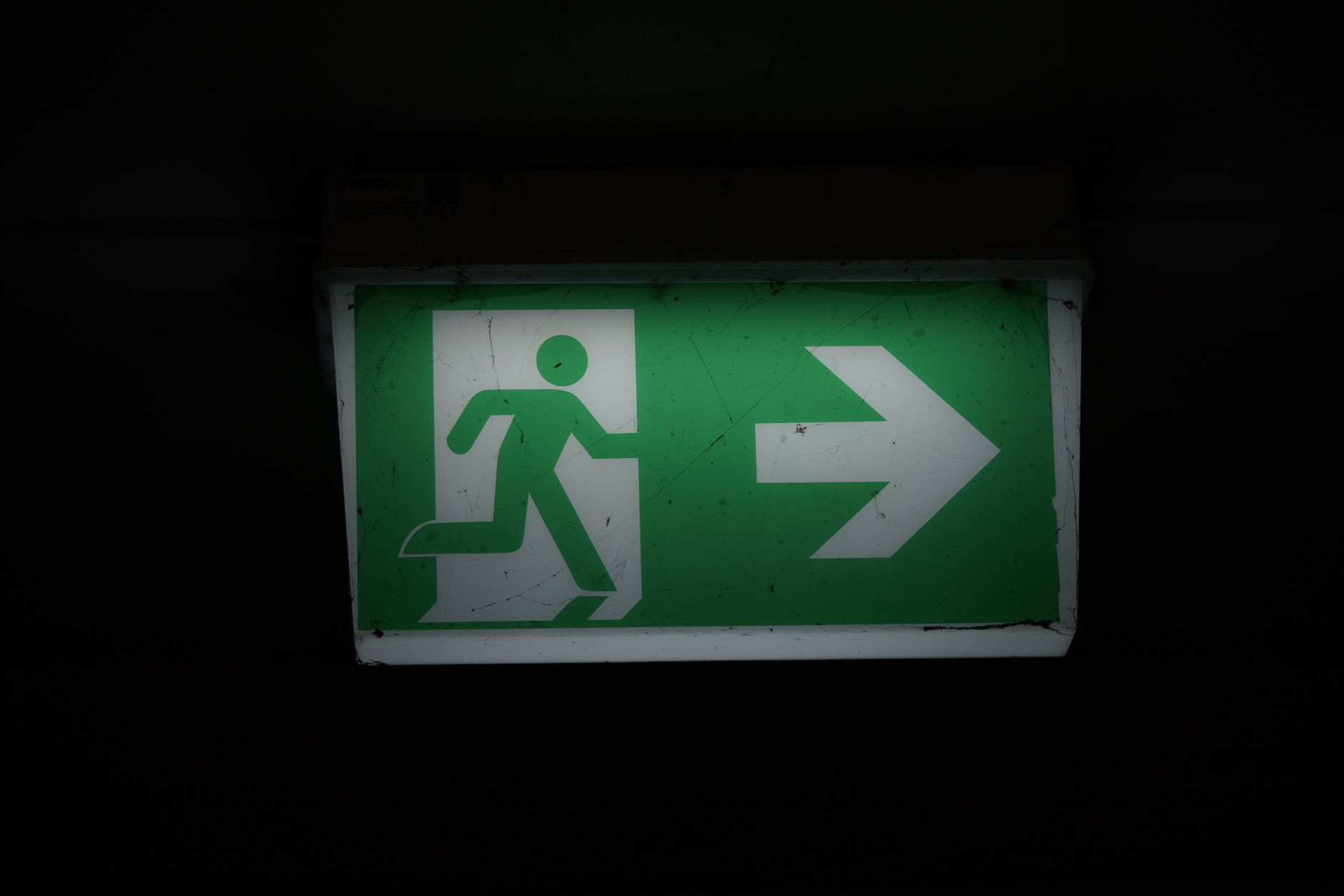
The Equality Act 2010 requires reasonable adjustments for disabled people. The Health and Safety (Safety Signs and Signals) Regulations 1996 require that safety signs must be understood by everyone likely to see them. Digital signage can cycle through multiple languages and use symbols that meet ISO 7010. It can also display text for people who are deaf or hard of hearing, and use high-contrast colours for people with low vision.
Training reinforcement
The law expects employees to know what to do in a fire. A yearly drill is not enough. Digital signage can show short, regular reminders: where the assembly point is, how to use a fire extinguisher, what the different alarm tones mean. These can run between other content, so they do not feel like interruptions. The Fire Protection Association found that staff who saw monthly reminders were 30% more likely to recall the correct assembly point than those who only had an annual drill.
Integration with fire systems
Digital signage can connect to fire alarm panels. When the alarm sounds, the screens can interrupt whatever is showing and display the evacuation message. This is not a legal requirement, but it is a practical way to ensure the message is seen. The responsible person must still provide a backup, such as a siren or a public address system, in case the screens fail.
Where digital signage does not help
Fire risk assessments
The law requires a written fire risk assessment for buildings with five or more employees. Digital signage cannot carry out that assessment. It cannot identify hazards, evaluate risks, or record the findings. The responsible person must do this themselves or hire a competent person to do it for them.
Fire-fighting equipment
Digital signage cannot extinguish a fire. It cannot replace fire extinguishers, sprinklers, or fire blankets. The law requires these to be provided and maintained. The responsible person must ensure they are suitable for the risks in the building and that staff know how to use them.
Emergency exits and routes
Digital signage cannot keep emergency exits clear. It cannot ensure that fire doors are not wedged open. The responsible person must check these daily. The law expects a physical inspection, not a screen.
Training and drills
Digital signage can reinforce training, but it cannot replace it. The law requires that employees receive information, instruction, and training about fire precautions. This must be face-to-face, not just on a screen. The responsible person must also carry out fire drills at least once a year. Digital signage can remind staff when the drill is due, but it cannot run the drill itself.
What happens if you get it wrong
The Regulatory Reform (Fire Safety) Order 2005 gives fire and rescue authorities the power to inspect premises and issue enforcement notices. If the responsible person fails to comply, they can be prosecuted. The maximum penalty is an unlimited fine and up to two years in prison. In 2023, a London care home was fined £400,000 after a fire killed two residents. The responsible person had not carried out a fire risk assessment or provided adequate training.
The Fire Safety Act 2021 also introduced a new offence of reckless conduct. If the responsible person disregards fire safety duties and someone dies or is seriously injured, they can be prosecuted for manslaughter. In 2024, a Manchester factory owner was jailed for three years after a fire killed three workers. The court found that he had ignored repeated warnings about blocked fire exits.
How to choose tools that meet the law
The law does not care what tools you use, as long as they work. Here is a comparison of common tools and where they fit:
| Duty | Fire alarms | Static signs | Public address | Digital signage | Face-to-face training |
|---|---|---|---|---|---|
| Carry out fire risk assessment | ❌ | ❌ | ❌ | ❌ | ❌ |
| Provide fire-fighting equipment | ❌ | ❌ | ❌ | ❌ | ❌ |
| Ensure emergency exits are clear | ❌ | ✅ (reminder) | ✅ (reminder) | ✅ (reminder) | ✅ (inspection) |
| Provide information, instruction, and training | ❌ | ✅ (basic) | ✅ (basic) | ✅ (reinforcement) | ✅ (full) |
| Establish procedures for serious and imminent danger | ✅ (alarm) | ✅ (route) | ✅ (instructions) | ✅ (dynamic route) | ✅ (drill) |
What to do next
- Review your fire risk assessment. If it is more than a year old, update it. If you do not have one, carry one out now. The Health and Safety Executive provides a free template.
- Check your fire-fighting equipment. Ensure it is in place, in date, and suitable for the risks in your building.
- Inspect your emergency exits and routes. Ensure they are clear, well-lit, and signposted. Test your fire doors to make sure they close properly.
- Plan your next fire drill. Involve all staff and visitors. Record the time it takes to evacuate and any issues that arise.
- Consider digital signage if your building is complex, has high staff turnover, or welcomes visitors who do not speak English. It is not a replacement for other tools, but it can reinforce them.
- Document everything. If the fire and rescue authority inspects your premises, they will want to see evidence that you have met your duties.