
Regulation 10 three years on: the door that keeps opening
The headline "Regulation 10 Three Years On: Keeping Up With Fire Door Checks" appeared in August 2026. It marks one change in a wider set of duties. The Regulatory Reform (Fire Safety) Order 2005, amended by the Fire Safety Act 2021, still requires a responsible person to carry out a fire risk assessment, maintain fire-fighting equipment, and ensure safe escape routes. Fire doors are only one part. Screens can show which doors are due for inspection, but they cannot replace the inspection itself.
What the law actually says
The Order names the responsible person, usually the employer, owner, or occupier. Their duties include:
- A written fire risk assessment if the site has five or more employees.
- Maintenance of fire detection and warning systems.
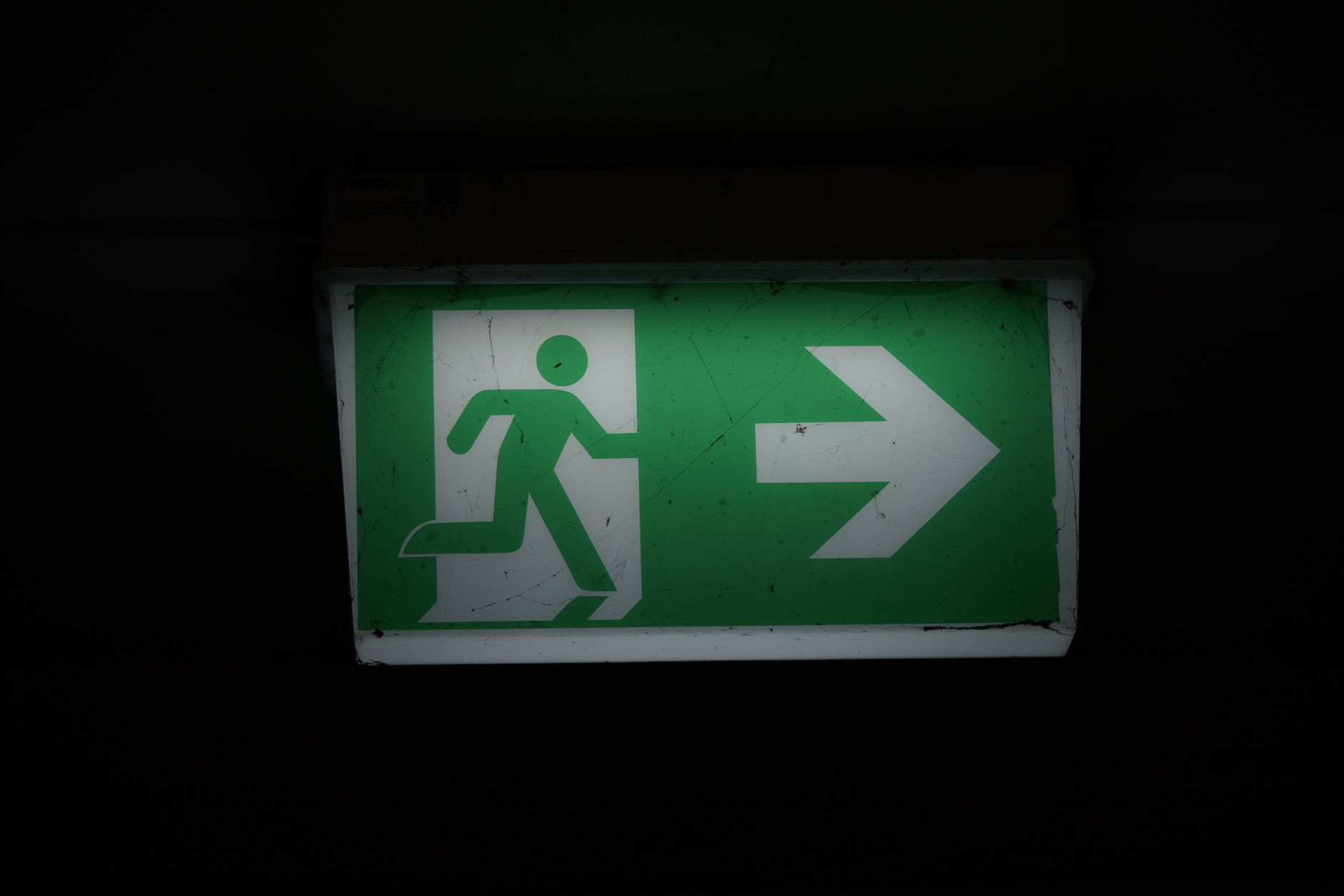
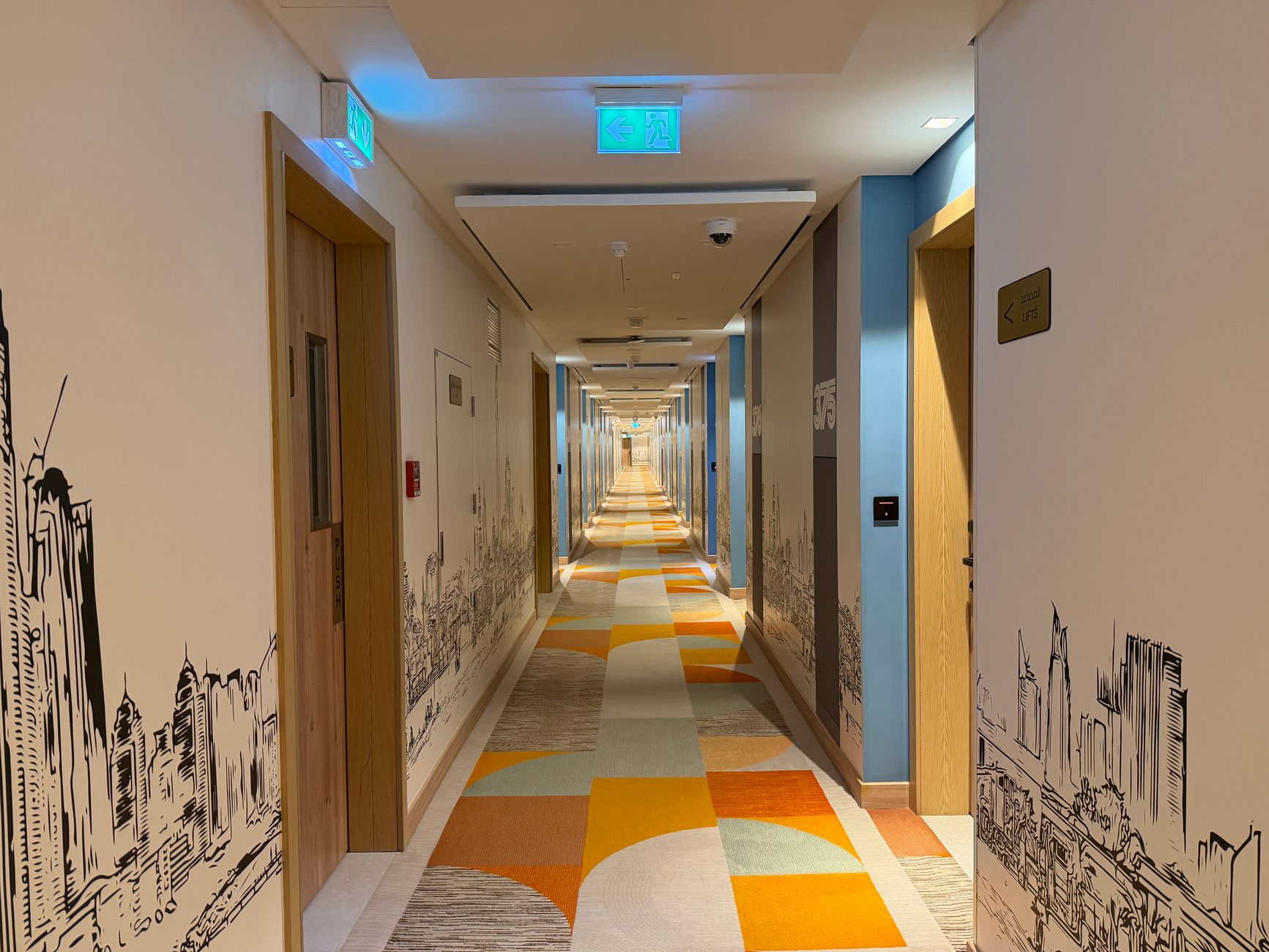
- Clear, visible signage for escape routes.
- Regular checks of fire doors, emergency lighting, and extinguishers.
- A documented evacuation plan that every employee understands.
The Fire Safety Act 2021 clarified that external walls and flat entrance doors are included in the assessment. It did not reduce the scope; it expanded it.
Where digital signage helps
Screens can display:
| Duty | How screens help | What screens cannot do |
|---|---|---|
| Fire door checks | Scroll a live schedule of which doors are due, overdue, or passed. | Open the door, test the closer, log the result. |
| Escape route signage | Show dynamic arrows that change if a corridor is blocked. | Physically clear the corridor. |
| Evacuation plan training | Play a 30-second animation of the nearest exit during monthly drills. | Ensure everyone watches it. |
| Fire extinguisher locations | Flash a map with extinguisher icons when the alarm sounds. | Replace the extinguisher itself. |
| Real-time alerts | Interrupt all screens with a full-screen message: "Fire alarm activated. Exit now." | Silence the alarm or fight the fire. |
Where screens fall short
Screens cannot:
- Test fire doors. The responsible person must still walk the building, check each door’s self-closer, and record the result in a logbook or app.
- Replace fire drills. The Order requires at least one drill per year; screens can remind staff, but they cannot compel attendance.
- Detect smoke. A screen can show an alert, but only a smoke detector can trigger it.
- Guarantee visibility. If a screen is off, broken, or obscured by a poster, the message is lost.
The trade-off: screens save time, not responsibility
A facilities manager in a 200-room hotel can use digital signage to show which fire doors were checked last week and which are overdue. The system can send an email reminder to the maintenance team. It cannot, however, absolve the responsible person of the duty to ensure the checks were done properly. If an inspection is missed, the screen’s reminder is evidence that the duty was known, not that it was met.
What happens when it goes wrong
In 2024, a London care home was fined £40,000 after an inspection found fire doors wedged open, extinguishers missing, and no recent fire drill. The screens in the corridors showed a generic fire safety poster. The responsible person argued that the screens were part of their compliance effort. The court ruled that screens are a communication tool, not a substitute for physical checks.
How to decide if screens are worth it
Ask:
- Do you already have Android TVs, tablets, or phones on site?
- Is your fire risk assessment up to date and documented?
- Do you struggle to get staff to read emails or notice static posters?
- Can your IT team host a server on-site, or must you rely on a third party?
If the answer to the first three is yes and the fourth is no, screens can reduce the time spent updating posters and increase the chance that staff see the message. If the answer to any of the first three is no, screens will not fix the underlying gap.
What to do next
- Read the Regulatory Reform (Fire Safety) Order 2005 and the Fire Safety Act 2021. The full text is on legislation.gov.uk.
- Check your fire risk assessment. If it is more than 12 months old, schedule a review.
- Walk the building. Note every fire door, extinguisher, and escape route. Compare the list to what your screens currently show.
- If screens are missing or outdated, decide whether the gap is communication or compliance. Screens fix communication; they do not fix compliance.
- If you proceed, install the software on your own server, license it per site, and set up a monthly test of the emergency alert channel.